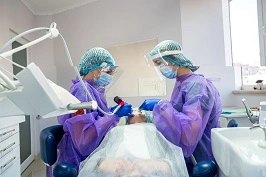
Wisdom teeth are the third set of molars that appear between the ages of 17 and 25. Primarily one wisdom tooth is impacted, which means that it does not have enough space to grow fully, as a result of which it can cause pain and also harm the surrounding teeth. If this is the case, then it is imperative to get the impacted tooth removed otherwise the condition could become worse.
Do You Need to Have Your Wisdom Teeth Extracted?
Before directly referring you to an oral surgeon, your dentist will do an exam and an X-ray of your jaw. If the results reveal that your wisdom teeth are impacted and may cause pain or harm to the surrounding teeth in the future, then your dentist might refer you for wisdom tooth removal surgery.
Is It As Painful As It Sounds?
Many people dread just the thought of getting a tooth extracted. However, a wisdom tooth removal surgery performed by a dentist or an oral surgeon is safe.
This surgery requires the surgeon to cut into the gums and remove the tooth. Depending on your tooth size, the surgeon may extract the whole tooth, or in pieces. You will be under a local anaesthetic so you should not experience any pain. You might experience minor discomfort because you will be required to keep your mouth open and stretched while the surgeon is performing the surgery.
What Are The Contraindications?
While there is no age limit to getting your wisdom tooth removed, a wisdom tooth surgery done before the age of 20 is generally more straightforward and less complicated. Teeth are not developed in younger people and their roots don’t run too deep, hence it is easier to extract them.
Tips to Ready Yourself for the Surgery
Speak to your surgeon about the procedure before the surgery. If you have any doubts, you should discuss those with them. Your surgeon will tell you the precautions you need to take before and after the surgery to ensure that everything goes smoothly. They will also tell you about the type of anaesthesia they are likely to use on you.
The cost of the surgery depends on the level of impaction and the number of teeth that require removal. After the surgery, you won’t be able to eat solid food for a few days, so you can start preparing by purchasing soft yet nutritious food items such as yoghurt, smoothies, oatmeal, etc.
Is There a Specific Dress Code?
You won’t be required to change into anything for the surgery, so make sure to wear clothes that are loose and comfortable. If the doctor has recommended intravenous anaesthesia for you, wear a short-sleeved shirt that allows you to roll the sleeves up easily. Make sure that your clothes are loose enough for you to breathe properly. You must be comfortable throughout the surgery else the procedure can get complicated.
What Can You Eat and Drink Before the Surgery?
If you are getting intravenous anesthesia, your surgeon will ask you to stop eating and drinking after midnight the night before the procedure. Intravenous anesthesia can only be administered on an empty stomach. In other cases, the surgeon will explicitly tell you what you are and aren’t allowed to consume before the surgery.
Be Sure to Discuss Your Current Health with Your Dentist
Discussing your health condition and medications with your surgeon before the surgery is not something you should take lightly. Medications such as aspirin, warfarin, or ibuprofen, can lead to a risk of bleeding disorders. Your dentists shall decide if you need to discontinue any medicine for tooth extraction or not. You should always inform your dentist of any health conditions you might be suffering from and any medications that you are taking.
Make your dentist aware of any medications that you are taking- whether they are prescription drugs, herbal remedies, or over-the-counter drugs.
Nervous About Anesthesia? Discuss It With Your Surgeon
The surgeon will use one of three anaesthesia mentioned below to reduce the pain-
- Local anaesthetic- Your surgeon will use a shot of local anaesthetics such as novocaine, mepivacaine, or lidocaine to numb your mouth. They may also give you nitrous oxide or laughing gas to breathe to relax during surgery.
- Intravenous sedation- After numbing your mouth, the surgeon may also give you sedatives through a vein in your arm to make you drowsy during the surgery.
- General anaesthetic- The doctor will either inject drugs through your veins or make you breathe gas through a mask. You will be asleep throughout the procedure and even an hour after that.
What You Should Avoid After the Surgery
You are required to avoid alcohol and tobacco at least eight hours before the surgery.
Are There Any Risks or Side-Effects?
There are no long-term complications associated with most wisdom tooth removal extraction surgeries. Rarely, complications can include-
- Painful dry socket- It is a painful condition when the post-surgical blood clot is dislodged from the site of the extraction, exposing the bone and nerves underneath.
- Damage to nearby teeth, jawbones, nerves, or sinuses
- Infection
How You Can Speed Up Your Recovery
You should avoid doing any kind of strenuous activity including driving, especially if you were given an anaesthetic. Other factors that you must take into account for the first 24 hours after the surgery are –
- You should not rinse your mouth vigorously or drink with a straw for the first 24 hours
- Avoid consuming alcohol or using mouthwash with alcohol
- Don’t brush your teeth surrounding the extraction site.
It is normal for some pain or swelling to persist for a few days after the surgery. The extraction site takes around six weeks to heal but most people are able to resume their daily activities the next day. However, it is prudent to avoid strenuous activities for at least a week lest you might dislodge the blood clot and expose the underlying nerve or bone.
Final Thoughts
While it certainly can be scary to have your wisdom tooth removed, it isn’t an experience you should fear. By taking the proper precautions beforehand and visiting a friendly dentist, you can ensure a smooth experience.