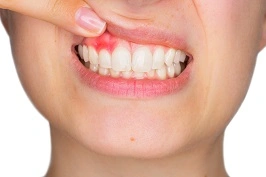
Regular activities such as eating, chewing, or drinking can feel like a stressful experience if you have sensitive teeth. Sensitive teeth should not be ignored. In most cases, they may require treatment. Here is everything you need to know about sensitive teeth and treatments for them.
What Causes Sensitive Teeth?
These are some of the reasons sensitive teeth can occur:
- Periodontal disease
- Damaged teeth
- Damaged fillings
- Gum disease
- Worn enamel on teeth
- Exposed root of a tooth
The crowns of your teeth, which are the parts above the gum line, are covered with an enamel coating in healthy teeth. The tooth root is protected by a substance called cementum beneath the gum line.
Dentin is located below the cementum and enamel. In addition to having tiny tubules (tiny tubes and canals), dentin is thinner than cementum and enamel.
When the protective layer of enamel or cementum on dentin wears away, these tubules allow heat and cold, acidic or sticky substances to access the nerves and cells inside the tooth. Gum recession can also reveal dentin. Hypersensitivity may be the end effect.
What are the Symptoms of Sensitive Teeth?
The major sign of dental sensitivity is pain following a cold meal or beverage. The intensity of this discomfort, which might come on quickly, can range from mild to severe. It is critical to identify the reason and begin treatment for tooth sensitivity since some people also experience discomfort while brushing or flossing.
Dental hygiene may suffer if brushing or flossing causes discomfort. This may lead to other dental issues, including cavities and gum disease.
We recommend visiting the dentist every few months to ensure your teeth are healthy. Schedule an appointment with us now!
5 Tips for Dealing with Sensitive Teeth at Home
Here are five ways you can deal with sensitive teeth at home prior to your appointment with the dentist:
1. Use a Soft Toothbrush
Using a toothbrush with hard bristles may aggravate your issue. The enamel is damaged by stiff brushes and abrasive kinds of toothpaste, which eventually causes more small holes and increases sensitivity. Additionally, they might exacerbate gum recession, exposing dentin and irritating sensitive nerves. A soft toothbrush will protect your teeth and keep the gums healthy.
2. Use Sensitive-Tooth Toothpaste
For symptom alleviation, using toothpaste made particularly for treating dental sensitivity may be beneficial. The majority of these toothpastes have a component that momentarily plugs little gaps in your enamel and dentin. This lessens the amount of exposure that the delicate nerves in your teeth will experience.
3. Mouthwash with Salt Water
Tooth sensitivity can be immediately reduced by doing a salt water swish. The alkaline environment created by salt water decreases bacterial development by balancing the pH level inside the mouth. Plaque is also reduced during the process.
Simply combine two tablespoons of salt with a cup of warm water to create a saltwater rinse. Until sensitivity improves, use this rinse in the morning and at night.
4. Stay Away from Carbonated Beverages and Acidic Foods
Several foods and beverages might aggravate sensitive teeth. To lessen sensitive teeth, they should be ingested in moderation or avoided altogether.
Coffee, citrus, pickles, sodas, and other acidic foods and beverages can make teeth more sensitive. If eating is a challenge for your sensitive teeth, you might want to think about minimising or eliminating certain foods. Additionally, it is advisable to stay away from really hot or freezing meals and beverages because they might hurt your teeth.
5. Have a Dentist Examine Your Gums
Gum disease or receding gums can be a significant cause of tooth sensitivity. The areas of teeth with no enamel are revealed as the gum tissue deteriorates and pulls away from the tooth surface.
This partial lack of protection for the nerves might result in excruciating agony. Consult your dentist to check your gums for any signs of gum disease that require treatment.
Gums that are in good health shield teeth and reduce sensitivity.
Sensitive teeth giving you pain? Do not ignore it! Call us and book an appointment today!
Dental Treatments for Sensitive Teeth
Here are four dental treatments your dentist is most likely to recommend:
1. Fluoride Mouthwash or Toothpaste
Fluoride mouthwash or toothpaste can assist in building the enamel and lessen pain and discomfort by reducing sensitivity. In rare situations, a prescription fluoride may be advised for at-home usage.
2. Dental Adhesive
To alleviate irritation, the dentist may advise coating the exposed root surface with bonding glue. A local anaesthetic may be necessary to alleviate discomfort during the application procedure.
3. Gum Graft Procedure
In order to shield the exposed roots and lessen discomfort, the dentist may need to surgically take a small quantity of gum tissue from another part of your mouth and connect it to the afflicted region.
4. Root Canal Procedure
A root canal, a surgical operation that addresses numerous issues in the dental pulp, may be advised by the dentist. This is beneficial if you have acute pain due to tooth sensitivity and other treatments that have not managed to relieve it.
In contrast to other dental procedures, a root canal is thought to be the most efficient method for treating sensitive teeth.
Tips to Maintain Healthy Teeth
- Maintain proper dental hygiene.
- Remember to replace your brush every three to four months. Change your brush right away if you see that the bristles are frayed.
- Do not forget to floss frequently since it removes plaque and food fragments that contribute to lessening tooth sensitivity.
- Eat and drink only things that are low in acidity. Coffee, carbonated beverages, and yoghurt are examples of foods and drinks that can help erode dental enamel.
- If you grind your teeth while you sleep, make it a practice to wear a mouth guard since it can break teeth and increase sensitivity.
- Regularly see your dentist.
Conclusion
Teeth sensitivity is something that should never be ignored. This guide serves the purpose of educating you about teeth sensitivity and everything related to it. If you are suffering from sensitive teeth and need to see a dentist, you can contact us here at Perfect Smile, and we shall be happy to help you.