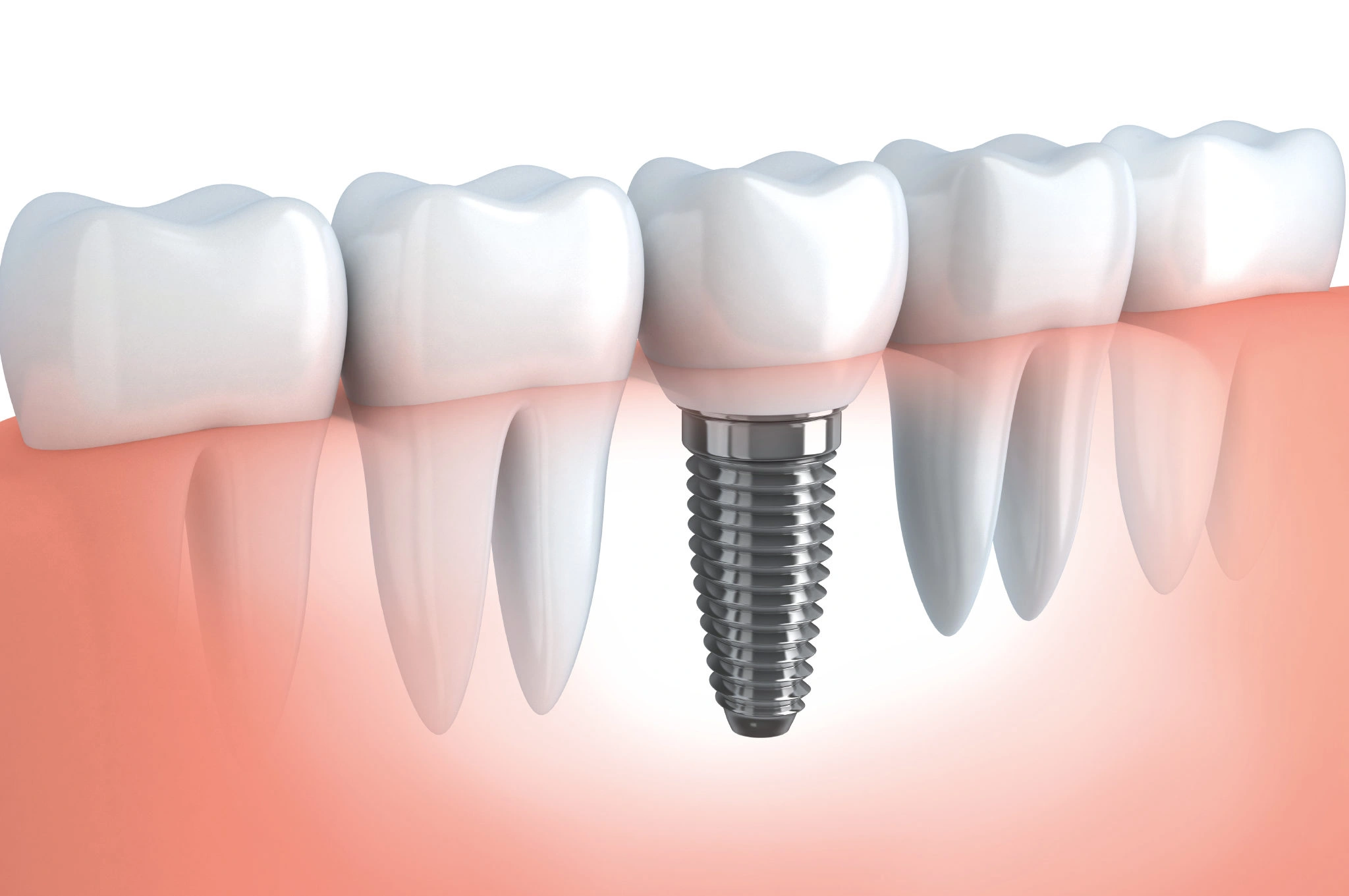
There are various teeth restoration procedures available and bonding is one of them. Patients undergo bonding treatments when they have cracked, chipped or discoloured teeth. It is a purely cosmetic feature that is relatively inexpensive as compared to other procedures such as crowns or veneers.
What is Composite Bonding?
Composite bonding or dental bonding is a dental treatment in which new material is attached to a damaged or chipped tooth. The dentist usually gives patients a choice on whether they wish to choose resin or porcelain material for that tooth.
Once they apply it, it fuses with the tooth and ‘repairs’ it by giving the tooth a natural and real look. It works best for people who wish to improve their smile or wish to fill unwanted gaps in their teeth braces Invisalign cost.
How Does it Work?
To begin with, the dentist will use a guide to choose the colour of the resin for your tooth being repaired. If the tooth has any decay that needs to be removed, the dentist will proceed with that.
Post the decay removal process, the dentist will apply a liquid to the tooth which will allow the resin to stick to it. They mould and give the tooth the required shape and then cure it with ultraviolet light.
If you wish to alter the design, the dentist can do it for you once the resin hardens.
What are the Different Types of Composite Bonding Procedures?
Direct composite bonding
The direct composite bonding procedure is a simple and straightforward process that can be completed in a single sitting. Here, the dentist directly applies the resin material over the broken tooth and gives it the desired shape. Then, it is cured with ultraviolet light.
Adhesive bonding
Although adhesive bonding has similar steps to the direct composite bonding procedure, it is a bit more complex. This is because, before applying the resin, the dentist must first apply an etching material to the tooth. Post the etching process, the dentist must then apply the resin and the adhesive to the damaged tooth. In the end, the dentist uses ultraviolet light to cure the tooth and solidify the resin and the adhesive.
Indirect teeth bonding
The indirect teeth bonding procedure is almost similar to the direct composite bonding method. What makes it different is instead of one sitting, this procedure requires two sittings. The indirect teeth bonding procedure requires dentists to take a mould of the damaged tooth and send it to a lab. In the second sitting, the freshly created mould is glued to the broken tooth and cured with ultraviolet light.
What are the Benefits of Composite Bonding?
Composite bonding offers patients quite a few benefits. For starters, it improves your facial texture and your smile. It helps in fixing damaged teeth as well. Other benefits are:
- Composite bonding is minimally invasive as compared to other teeth restoration techniques
- Patients do not need to make more than one trip to the dentist. Since it is a short procedure, it can be completed in a single trip itself.
- The cost for composite bonding is much lower compared to the other types of dental treatments.
- Composite bonding does not require much aftercare. It is quite easy to maintain the repaired tooth.
- Since it is non-invasive, patients do not require anaesthesia.
- Composite bonding makes use of special resins which blend with the damaged or cracked tooth. Unlike silver or gold fillings, the resin has a natural colour that makes it quite unnoticeable.
Step-by-step Guide to the Composite Bonding Procedure
There are various steps involved in composite bonding procedures. It depends on which type of procedure you are getting through the dentist. However, the general steps are:
- Initially, the dentist will examine your teeth and evaluate if you need to get the composite bonding procedure done or not.
- If both of you agree to the procedure, the dentist will begin the prep material for it.
- Preparing the tooth involves cleaning out any kind of plaque or cavity on the tooth which can cause more discomfort in the later years. For the resin to be implanted, the surface of the tooth must be entirely clean. If the tooth is damaged, the dentist will have to remove the damaged part of the teeth before repairing it.
- Depending on the type of procedure being carried out, the dentist will either add the resin directly or first add the etching and the adhesive before adding the resin material to the tooth.
- Once this procedure is complete, the dentist will cure the tooth with a curing light.
To maintain the longevity of the composite bond, you must remember to take extra care of your teeth. By regular oral care and visiting your dentist on a routine basis, the lifespan of the composite bond will increase. Generally, it can last for a few years. However, if you begin to see signs of damage and wear and tear then you should visit your dentist again. They might be able to do a slight touch up instead of replacing the entire resin bond.
Why do we need Composite Bonding Procedures?
Composite bonding procedures are helpful to many people because:
- It repairs broken teeth: The dental bonding process is great for people who wish to fix their damaged teeth. Teeth can be damaged through accidents or they can naturally chip away. By using a resin that matches the colour of your tooth, it repairs and replaces what is missing.
- Fill unwanted gaps: Composite bonding helps in fixing unwanted gaps in teeth which can be unpleasant to look at. Undergoing this simple and safe procedure may also mean that you do not need to wear an invisible brace london.
- Improves the aesthetic appearance of the teeth: Through composite bonding, users can regain the aesthetic appearance of their teeth. This can improve their confidence in public events when they have to interact with many people.
- Protects the teeth: Tooth decay and further erosion can be prevented with composite bonding.
What is the Cost of Composite Bonding?
The cost of the composite bonding procedures vary because of the following:
- Different dentists and their styles of working.
- The type of composite bonding procedure they recommend.
- Their skills, experience and expertise.
On average, most dentists charge anywhere between the £250 to £400 range based on the factors mentioned above.
Does Composite Bonding Come with any Risks?
There are no major risks involved with getting the composite bonding procedure for your teeth. However, you should consider that the resin attached to your natural teeth is not as strong as the latter. If you are habituated to biting your nails or chewing a lot of candy and other hard food the resin might get damaged and break or chip off.
Another point to remember is that the resin is not stain resistant. If you are a smoker or drink too much coffee, it could stain the resin and cause some discolouration.
Composite Bonding Vs Dental Crowns Vs Veneers- comparison chart in tabular
| Composite Bonding | Dental Crowns | Veneers |
| Composite bonding involves the dentist applying a resin to your real tooth’s surface, allowing them to fuse over time. | Dental crowns are made of porcelain material. Instead of fusing it to the natural tooth, it encapsulates the entire tooth completely. | People usually get confused between the Veneers and Composite Bonding procedures since the process is similar. Here, a porcelain veneer is grafted onto the damaged or broken tooth. |
| Composite bonding procedures can be completed within one dental appointment. | Dental Crowns require a few sittings and are time intensive. In a few different sittings, the dentist will clean out the tooth, make a mould of it and then fabricate the crown before permanently fixing it over the natural tooth. | In comparison, the procedure for Veneers requires more time than Composite Bonding, but less time than Dental Crowns. |
| Dental bonding is less expensive than Dental Crowns and Veneers. | Dental Crowns are more expensive than dental bonding and Veneers. | Veneers are more expensive than both Composite Bonding and Dental Crowns. |
| It is a minimally invasive procedure. | Dental Crowns are quite invasive as the root and tooth may need to be drilled before encapsulating it completely. | Veneers are comparatively less invasive than Dental Crowns. |
Maintenance and Aftercare of Composite Bonds
After the composite bonding procedure is complete, the maintenance and aftercare of the repaired teeth is next. It is not a complicated process. In fact, it requires the same level of effort one would give to their teeth which is in good condition.
The dentist will recommend avoiding teeth damaging food and drinks such as alcohol, sweets and sticky foods. After five to seven days, once the resin bonds to the teeth, it will be more resistant to damage. However, one must still be careful about chewing on sticky and cold food in the long run.
Just like maintenance of regular teeth, the dentist will recommend the following:
- Brushing teeth twice a day.
- Flossing once a day.
- Route dental check-ups at least twice a year.
Conclusion
We recommend the dental bonding procedure for all the benefits we have stated above. Not only does it repair your teeth, improve the aesthetics and give you a beautiful Invisalign smile, but it is also quite inexpensive as compared to other teeth restoration methods. Since the resin blends with the colour of the tooth, it will be unnoticeable to everyone but you.